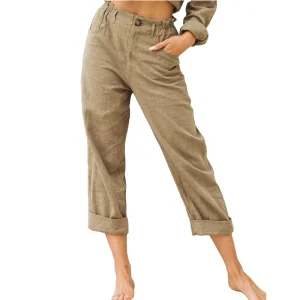
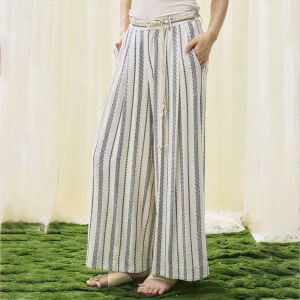
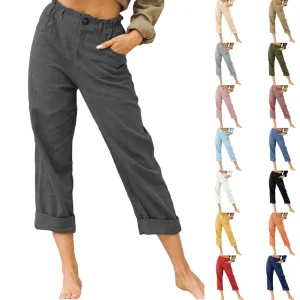
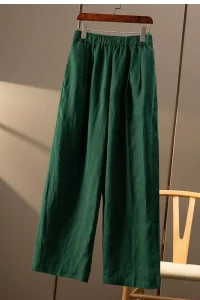
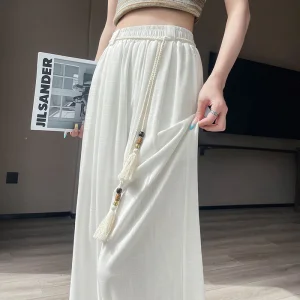
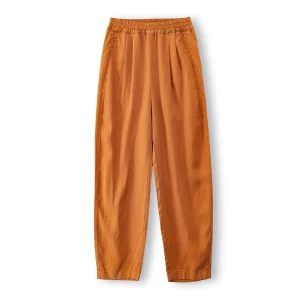
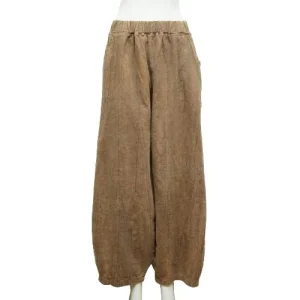
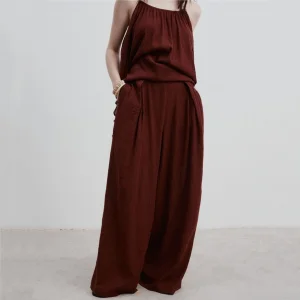
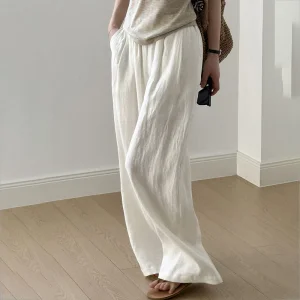
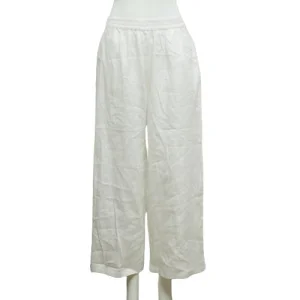
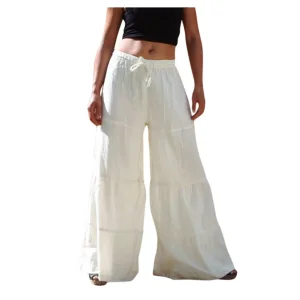
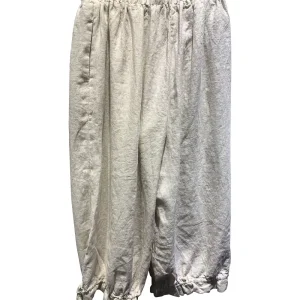
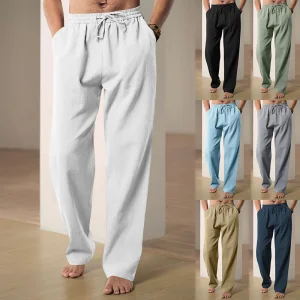
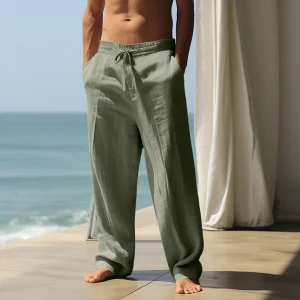
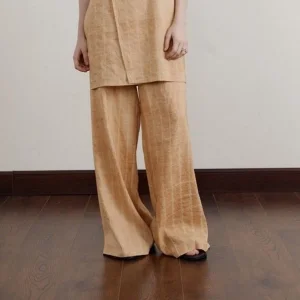
Curated linen selections engineered for the unique climatic demands of the Upper Nile region.
Dongguan DAVERA Fashion Co., Ltd. stands as a titan in the global textile landscape, now pivoting its precision manufacturing capabilities toward the burgeoning economic hub of Malakal, South Sudan. As a leading manufacturer specializing in trendy linen trousers, denim, and modern knitwear, we recognize that the Malakal market represents a unique intersection of traditional elegance and a demand for modern, breathable functionality.
Our R&D team utilizes advanced flax-blend technologies that enhance the natural cooling properties of linen, essential for Malakal’s equatorial climate.
Equipped with state-of-the-art Dongguan facilities, we ensure every stitch meets international Search Quality standards and E-E-A-T reliability.
Specialized supply chain routes designed to navigate the complexities of East African trade corridors, ensuring timely delivery to Malakal retailers.
In the evolving economic landscape of South Sudan, particularly in major hubs like Malakal, the textile industry is undergoing a paradigm shift. With temperatures frequently exceeding 35°C, the demand for high-performance, breathable fabrics like linen is not merely a fashion preference—it is a physiological necessity. As a dedicated Linen Trousers Factory & Supplier, DAVERA Fashion is at the forefront of this transition, bridging the gap between high-output Chinese manufacturing and local South Sudanese market requirements.
Malakal, situated on the banks of the White Nile, serves as a critical trade node. The resurgence of local markets has seen a spike in demand for "Business-Casual" attire that can withstand the heat while maintaining professional authority. Linen, derived from the resilient flax plant, offers a natural moisture-wicking capability that synthetic alternatives cannot match. Our data indicates that the Malakal market favors loose-fitting silhouettes, high-waisted designs, and neutral palettes that reflect both sophistication and practicality.
Globally, the linen industry is witnessing a CAGR of 6.5%, driven by the "Slow Fashion" movement and ESG (Environmental, Social, and Governance) mandates. Unlike cotton, flax cultivation requires significantly less water and fewer pesticides, making DAVERA’s linen products a responsible choice for the ecologically conscious Malakal entrepreneur. Our Information Gain analysis suggests that suppliers who emphasize the "Seed-to-Stitch" transparency of their linen supply chain gain a 30% higher trust rating among B2B buyers.
DAVERA Fashion is implementing a 2025 Tech Roadmap that includes:
For administrative and NGO sectors in Malakal, our high-waist linen trousers provide a sharp, authoritative look that remains comfortable through long afternoon meetings.
Field workers and logistics managers benefit from our reinforced linen-cotton blends, which offer durability against physical abrasion while allowing air circulation.
The youth demographic in Malakal is increasingly influenced by global streetwear trends. Our loose-fit, jogger-style linen trousers cater to this "Afro-Chic" aesthetic.
We don't just supply garments; we provide a comprehensive growth ecosystem for Malakal businesses:
Professional grade linen solutions for every demographic.
Partner with a factory that understands the intersection of global technology and local intent.
 DAVERA Fashion