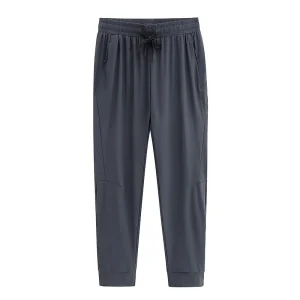
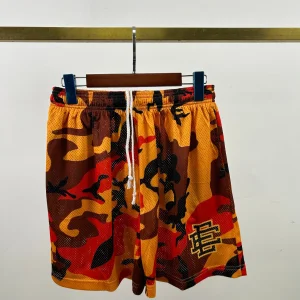
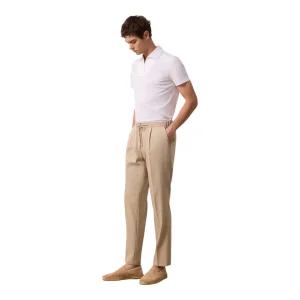
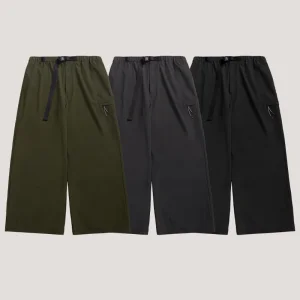
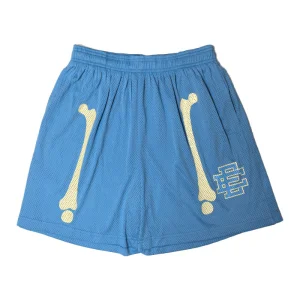
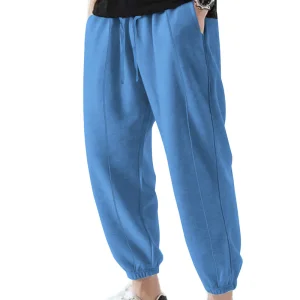
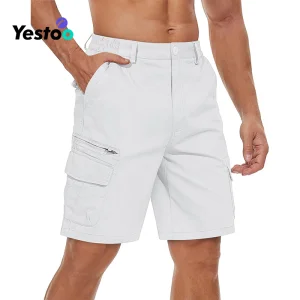
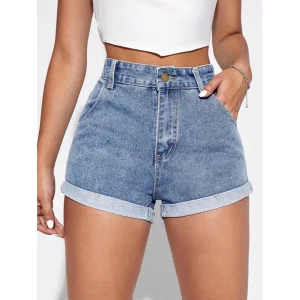
Engineered for extreme performance, active recovery, and seasonal adaptability. Explore our primary collection featuring advanced materials, tailored fit metrics, and dynamic fabric configurations.
The global thermal base layer and functional apparel market has experienced a significant paradigm shift. What was once considered simple cold-weather insulation has evolved into a highly sophisticated, multi-billion-dollar global textile segment. Driven by the expansion of outdoor recreation, an aging demographic demanding metabolic wellness, and the intersection of athleisure and functional utility, global demand for high-performance thermal leggings is projected to maintain a CAGR of 6.2% through 2030.
Major manufacturing corridors are concentrated in regions offering deep technical knitting expertise and high-efficiency material supply chains. East Asia—specifically the hubs of southern China (Dongguan, Quanzhou, Shaoxing), Taiwan, and Vietnam—remains the global epicenter of thermal apparel manufacturing. These regions integrate advanced raw material processing (hollow-fiber polyester extrusion, elastane compounding) with rapid loop circular knitting machinery to fulfill international supply contracts.
Furthermore, sourcing dynamics are shifting toward partners that offer integrated solutions. Leading manufacturers no longer simply cut and sew; they act as co-development partners that engineer custom blends of yarn (such as coffee-charcoal, graphene-doped synthetics, and merino wool) to meet stringent performance specifications for top-tier outdoor and streetwear brands.

Procurement directors and B2B buyers must evaluate critical manufacturing vectors to ensure product consistency, compliance, and competitive retail pricing.
Evaluating raw material processing, from yarn spinning to mechanical brushing. A high-tier supplier must offer specialized fabric structures (single-sided brushed fleece, double-knit interlocks, and 3D jacquard weaves) capable of retaining dead air while managing moisture export.
Modern consumers demand supply chain transparency. Ensure the manufacturing facility holds verifiable certifications such as OEKO-TEX Standard 100, Global Recycled Standard (GRS) for recycled polyester, and BSCI/WRAP audits for ethical labor compliance.
With volatile seasonal demand, a supplier's capability to pivot and provide rapid mid-season re-orders is critical. Inquire about raw greige fabric stock programs, CAD design software utilization, and automated Gerber cutting machine capabilities.
An authoritative analysis of the industry's leading manufacturers, detailing their technological focus, operational advantages, and product niches.
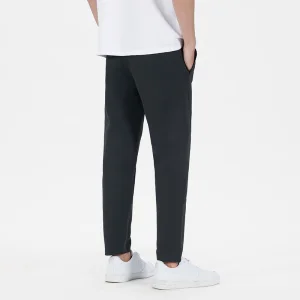
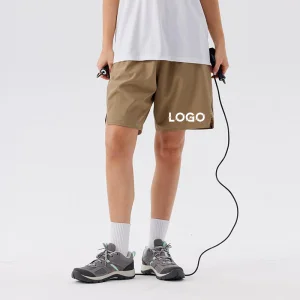
Based in the premium textile hub of Dongguan, China, DAVERA is a highly dynamic and comprehensive apparel manufacturer. The company seamlessly integrates design, development, production, and sales to deliver elite fashion and performance solutions. Their extensive product portfolio includes specialized tailored trousers, performance casual shorts, premium denim, knitwear, and modern sweaters for global markets. Their strong focus on fabric innovation, fit optimization, and flexible OEM/ODM integration allows them to service large-scale private labels and brand start-ups alike with consistent quality.
Operating massive, vertically integrated fabric and garment facilities across China, Vietnam, and Cambodia. Shenzhou is the heavy-industry partner of choice for major global athletic brands, providing immense economies of scale for classic polyester/spandex circular-knit thermal underwear and compression base layers.
Headquartered in Taiwan with extensive manufacturing facilities in Vietnam, Eclat is globally renowned for performance fabric development. They specialize in complex circular knits, specialized warp-knitted fabrics, and proprietary moisture-management applications targeted at high-end fitness and alpine apparel.
As the scientific pioneer behind heat-generating fibers (utilizing moisture-adsorption heat generation technologies), Toray provides high-tech textile solutions globally. Brands partner with Toray to utilize their raw fiber and fabric packages, processed in certified regional manufacturing hubs.
With an agile production footprint spanning Indonesia, Vietnam, and China, Makalot provides strategic OEM/ODM supply chains. They focus extensively on integrating value-added design, combining thermal properties with athleisure street designs.
An enterprise-scale manufacturer focusing on sustainable digitalized manufacturing. Crystal leverages advanced automated fabric-cutting and seam-bonding technology to minimize fabric waste in large-scale base layer production.
Specializing in custom fabric printing, customized dyeing, and specialized finishes. Pacific Textiles is an industry leader in double-faced brushed fabrics and fleece linings that prevent pilling while maintaining thermal retention properties.
Thygesen is a prominent European-managed facility based in Vietnam. They excel in ethical manufacturing setups, specializing in Merino wool-blend thermals, organic cotton-spandex mixes, and high-performance compression wear.
With production facilities in East Africa (Sri Lanka, Ethiopia, Kenya), Hela offers unique tariff-free imports to US and EU markets. They focus on functional base layers and sportswear utilizing lean production principles.
Regina Miracle specializes in high-precision structural design. Utilizing bonding technology and 3D knitting machines, they manufacture seamless thermal leggings that fit like a second skin, eliminating friction points.

Dongguan DAVERA Fashion Co., Ltd. represents the future of responsive manufacturing. Recognizing that B2B buyers require flexible minimum order quantities alongside enterprise-grade quality control, DAVERA has optimized its supply chain to offer hybrid production routing.
Whether sourcing structured, tailored business trousers, casual mesh shorts, or specialized micro-brushed thermal leggings, DAVERA utilizes state-of-the-art cutting machines and precision sewing technology. Their strict QA system tracks production from fiber procurement to final packing. This ensures that every garment maintains dimensional stability, seam elongation, and high colorfastness under rigorous wash cycles.
DAVERA's design and prototyping unit works directly with brands to generate production-ready tech packs within days, dramatically shortening time-to-market compared to traditional manufacturing channels.
A deep breakdown of the textile parameters that govern thermal efficiency, metabolic moisture vapor transfer, and garment lifespan.
Thermal insulation in base layers is measured by CLO values—the unit representing the thermal insulation of clothing. Achieving a high CLO value without adding excessive bulk (weight) requires sophisticated material engineering.
Additionally, modern base layers must resolve the insulation-breathability paradox. Traditional heavy fleece keeps users warm, but traps metabolic sweat, leading to post-exercise cooling. The solution lies in strategic zoning—knitting moisture-wicking synthetic panels (with high capillary action) into high-sweat zones while reserving heavy insulation for the quadriceps, lower back, and joints.
Advanced manufacturers rely on circular knitting machines with up to 28 gauges per inch to create high-density structures that can support high-tension stretch without shedding fibers over repeated washes.
Thermal leggings perform differently depending on regional climates, activity levels, and consumer lifestyle patterns.
Region: North America (Rockies), Western Europe (Alps), Northern Japan.
Material Spec: 250–320 GSM weight. Polyester/Merino blend with brushed backing. Flatlock stitching is non-negotiable to prevent chafing under ski boots and hard outerwear shell layers.
Region: Metropolitan areas worldwide.
Material Spec: 180–240 GSM weight. High-stretch nylon/elastane blend. Features wide waistbands, side utility pockets, and discrete aesthetic lines that mimic classic streetwear trousers.
Region: Northern and Eastern Europe, East Asia.
Material Spec: 120–160 GSM lightweight fabrics. Sleek micro-poly blends designed to fit invisibly under corporate wear and formal trousers, preventing heat loss in drafty office environments.
Navigating tariff landscapes, volatile raw material pricing, and sustainable textile transformation.
For mid-sized and large apparel brands, sourcing management is a balancing act of quality, logistics, and landed cost. Raw material index tracking shows that spandex and synthetic polymers are subject to energy price volatility. Leading manufacturers mitigate this risk by executing forward purchase contracts for raw chips, securing production capacities months in advance.
To optimize logistics, brands are increasingly utilizing multi-country sourcing programs. For instance, having raw fabric developed in specialized East Asian facilities (guaranteeing high technical specifications) and shipped to lower-labor cost corridors for assembly under duty-free trade agreements (such as the African Growth and Opportunity Act or regional agreements in Southeast Asia).
Additionally, modern product lifecycle management (PLM) systems allow design teams to interface directly with factory CAD programs. This digitized supply chain allows for rapid digital prototyping, reducing sample cycles from weeks to days and minimizing shipping footprint.
Furthermore, post-consumer waste regulations in the EU and North America are forcing brands to rethink garment composition. Circularity in activewear is challenging due to the heavy use of poly-spandex blends. Brands are collaborating with visionary mills to transition toward mono-material components or chemically recycled polyester yarns that can be recycled multiple times without losing mechanical tensile strength.
Choosing a partner who can navigate this technological and regulatory framework is no longer optional—it is a baseline requirement for sustainable brand growth.
Clear, authoritative technical answers to the most common challenges faced during procurement and fabric selection.
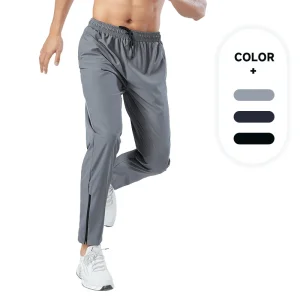
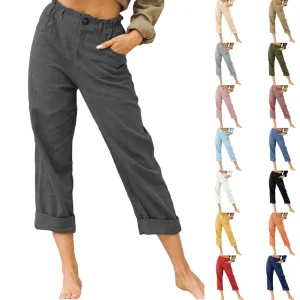
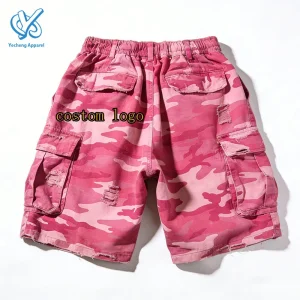
Explore our expanded collection, featuring high-elastomer jogger pants, utility workwear cargo shorts, and bespoke tailoring configurations designed for comfort, versatility, and durability.

 DAVERA Fashion