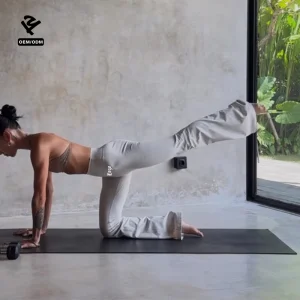
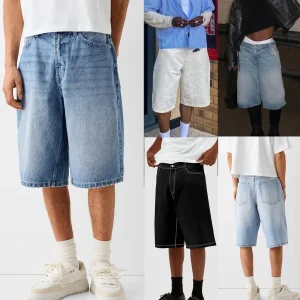
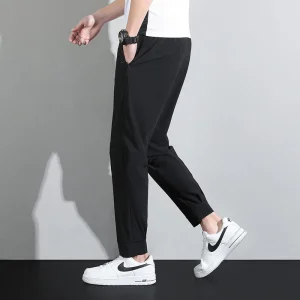
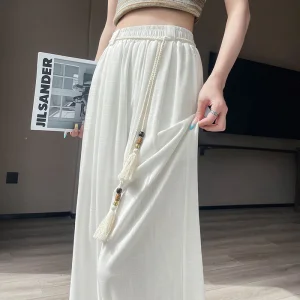
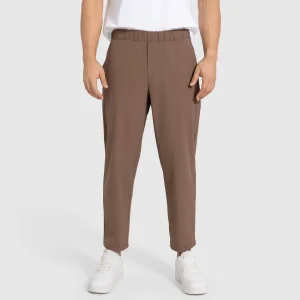
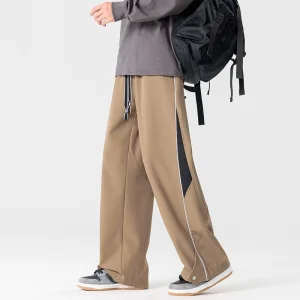
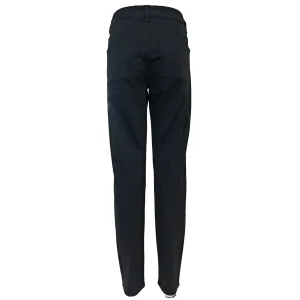
Explore our highly curated export collection, featuring advanced fabric dynamics and high-precision workmanship tailored for global fashion and sport sectors.
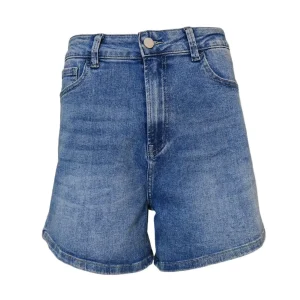
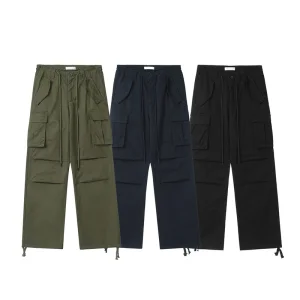
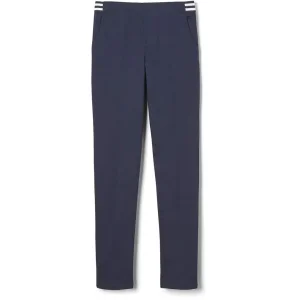
How the alignment of lifestyle, athletic performance, and high-tech textile manufacturing is driving exponential growth in the global skorts industry.
The global athletic apparel market has undergone a paradigm shift, transitioning from pure utility-based wear to multifunctional, design-forward garments. Within this revolution, skorts (skirt-and-shorts hybrids) have emerged as one of the fastest-growing categories in womenswear, tennis, golf, and casual outdoor apparel. Historically restricted to active sports courts, modern skorts are now being integrated into corporate casual spaces, travel, and mainstream streetwear.
From a product engineering standpoint, skorts present unique manufacturing challenges. Unlike traditional skirts, a premium skort requires the integration of dual-layered fabrics with differing elastic properties. The inner compression liner must offer chafing protection, moisture-wicking capabilities, and 4-way stretch recovery, while the outer shell needs to deliver structure, anti-wrinkle properties, and elegant draping. This structural complexity is why global buyers place heavy emphasis on partnering with certified factories capable of advanced technical execution.
Market studies estimate that the global skorts and active skirts market is expanding at a CAGR of 7.2% through 2030, driven by the expansion of the "outdoor lifestyle" demographic and the rising global interest in racket sports such as pickleball, tennis, and padel. Brands that fail to source from manufacturers utilizing modern fabric technologies risk lagging behind in this highly competitive, performance-driven marketplace.
1. Moisture Management: Fabrics that actively pull sweat away from the body using capillary channels.
2. Ergonomic Pocket Placement: Built-in drop-in pockets on the inner compression shorts to securely store tennis balls, smart devices, or keys.
3. Sustainable Synthetics: GRS (Global Recycled Standard) certified polyester and bio-based nylon blends.
B2B buyers, sourcing managers, and major retail chains look for specific compliance, flexibility, and technological indicators when vetting global suppliers.
Global brands mandate compliance certifications such as BSCI, WRAP, and Sedex to ensure ethical labor practices, as well as OEKO-TEX Standard 100 to guarantee toxic-free materials in direct skin contact.
With seasonal collections shifting faster than ever, top-tier factories must support flexible Minimum Order Quantities (MOQs) and rapid prototyping services (ODM) to test market demand before bulk runs.
Buyers seek exporters that have close relationships with textile mills to source proprietary knits, lightweight spacer fabrics, laser-perforated shells, and antimicrobial treatments.
Leveraging automated production and vertical integration to provide international B2B clients with unrivaled cost efficiency and speed to market.

Dongguan DAVERA Fashion Co., Ltd. is a dynamic apparel manufacturer specializing in trendy trousers, stylish shorts, premium denim, and modern sweaters for global markets. Based in Dongguan, China, we integrate design, development, production, and sales to deliver high-quality fashion solutions tailored to evolving consumer demands.
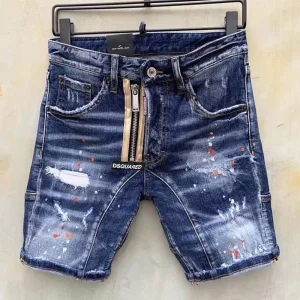
Our product portfolio covers a wide range of categories, including tailored trousers, casual shorts, denim collections, PU apparel, and knitwear. With a strong focus on fabric innovation, fit optimization, and contemporary aesthetics, DAVERA creates garments that combine comfort, durability, and modern style.
Equipped with advanced manufacturing facilities and experienced technical teams, we maintain strict quality control throughout every stage of production—from material sourcing to final inspection. Our flexible OEM and ODM services enable us to support private labels, fashion brands, and wholesalers with customized designs, branding, and scalable production.
Driven by market trends and customer insights, DAVERA continuously updates its collections to meet seasonal demands and fast-changing fashion preferences. We are committed to providing reliable lead times, competitive pricing, and consistent product quality. Dongguan DAVERA Fashion Co., Ltd. aims to be a trusted partner in delivering modern apparel collections that inspire confidence and style worldwide.
By implementing a "Factory 4.0" framework, DAVERA utilizes automated cutting tables, hanging rail logistics lines, and real-time ERP-driven status tracking. This level of digitalization significantly reduces material waste and labor hours, translating into direct savings and superior margin protection for our global procurement partners.

To assist global sourcing managers, here is the official framework used by top brands to audit and score international skort manufacturers.
Quality check for flatlock stitching and active seam techniques. Skorts require flexible stitching (usually four-needle six-thread) that stretches without breaking or chafing during strenuous activities.
Modern factories must use automated CAD-guided laser cutters to prevent outer fabric fraying on scalloped hems and complex athletic skort styles.
Verify that the mill sources yarn from certified suppliers. Full traceability is increasingly legally mandated in both the EU (Ecodesign Regulation) and North America.
The inner shorts must have high-quality, hypoallergenic silicon grippers printed inside the hem to prevent the liner from riding up during sports like tennis or running.
Top factories don't just execute sketches; they employ in-house fashion and athletic designers to offer customizable tech packs and keep up with Y2K, retro, and streetwear trends.
Exporters of golf skorts must demonstrate capabilities in applying durable water repellent (DWR) coatings without compromising the breathability of the fabric.
Customizing design adjustments and fabric compositions based on geographical climate profiles and localized end-user scenarios.
High demand for performance golf and tennis skorts. Needs feature-rich designs: UV protection (UPF 50+), built-in ball pockets, and high spandex percentages (18-25%) for maximum sculpting and athletic compression.
Prioritizes eco-friendly fabrics (recycled nylon, organic cotton blends). Design trends focus on functional utility skorts for hiking, featuring secure zip pockets and quick-dry characteristics.
Dominated by lightweight, pleated, and denim-style skorts. The primary focus is on fashion aesthetic, high-waisted designs, structured pleats, and comfortable daily wear liners suited for hot, humid climates.
Critical insights for procurement professionals negotiating manufacturing contracts for custom skorts and trousers.
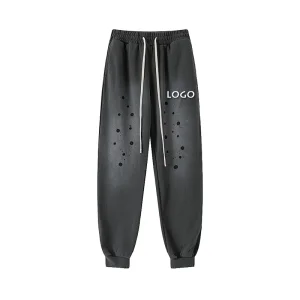
A comprehensive continuation of our high-demand international export catalog. Optimized for comfort, styling versatility, and manufacturing precision.
 DAVERA Fashion