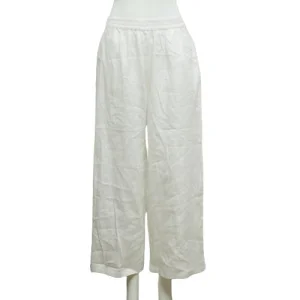
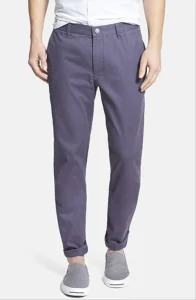
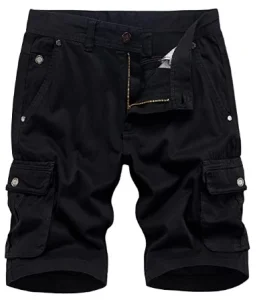
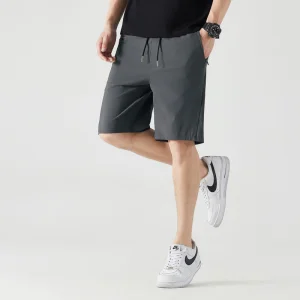
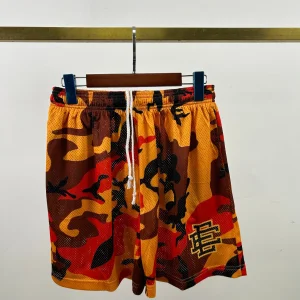
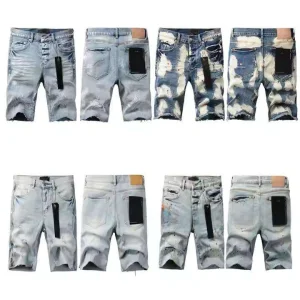
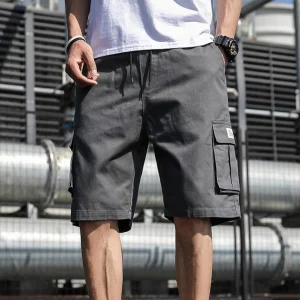
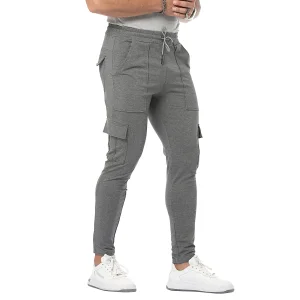
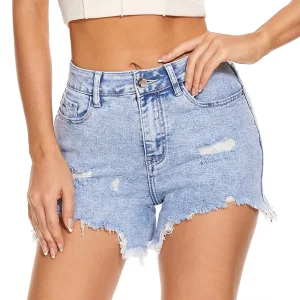
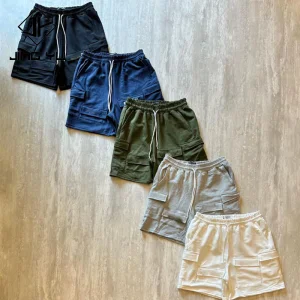
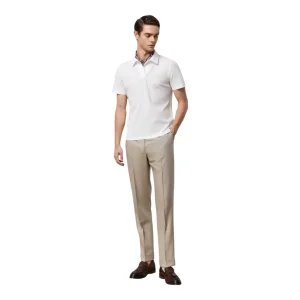
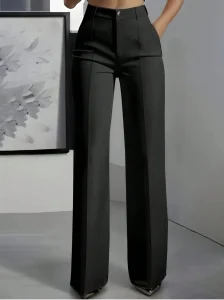
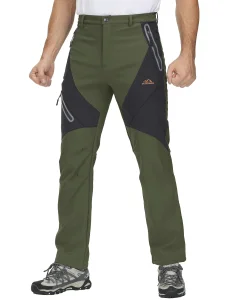
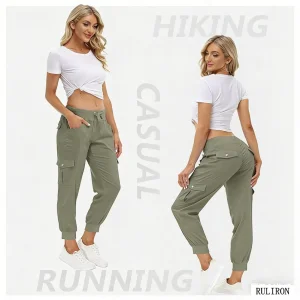
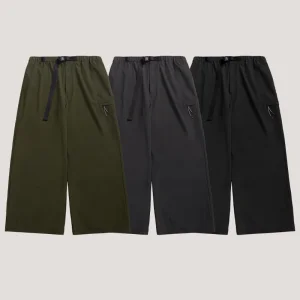
Explore our diverse manufacturing capabilities, ranging from elegant linen beach trousers to specialized activewear and performance cargo shorts.
Analytical insights into dynamic supply chains, textile engineering trends, and shifting consumer demographics shaping the smart performance apparel market.
The global demand for high-performance base layer pants is witnessing unprecedented growth, driven by a compound annual growth rate (CAGR) of over 6.8% from 2023 to 2030. Key growth drivers include the massive rise in outdoor adventure tourism, globalized fitness awareness, and the convergence of technical sportswear with mainstream fashion (athleisure and "gorpcore"). Consumers now demand next-to-skin garments that act as intelligent physiological regulators, managing temperature, humidity, and posture during exertion.
Industrial manufacturing of base layer products has increasingly centralized in advanced production zones in Southern China, specifically within the Guangdong province. Industrial hubs leverage an extensive ecosystem of synthetic polymer processing, precision circular knitting, and automated flatlock stitching. Manufacturers are moving from basic CMT (Cut, Make, Trim) models toward full-scale OEM/ODM technical partnerships, offering global brands customized textile development and localized compliance profiles.
International B2B sourcing of performance wear demands absolute alignment with target-market standards. Importers in the EU and North America rely on manufacturers holding comprehensive certifications like OEKO-TEX Standard 100, BSCI, and bluesign®. These frameworks ensure that next-to-skin garments are completely free from toxic PFCs, azo dyes, and skin-sensitizing finishing agents, eliminating regulatory delays at border clearance.
Deciphering the thermodynamic parameters, knitting structures, and fiber compositions that define professional-grade athletic and utility legwear.
A high-performance base layer acts as an auxiliary cutaneous system. Its primary role is to transfer moisture away from the skin via capillary action while retaining a micro-climate of warm air next to the dermis. This dual capability is achieved through the use of bi-component fabrics, which place hydrophobic fibers (like polypropylene or polyester) directly against the skin to repel sweat, and hydrophilic fibers (like nylon or merino wool) on the outer layer to draw away and evaporate moisture.
This process is quantified using the CLO index, which measures the thermal resistance of clothing. Professional winter base layers typically aim for a CLO rating between 0.15 and 0.40, balancing insulating properties with optimal breathability to prevent sweat buildup and rapid cooling during rest periods.
Furthermore, integrating spandex/elastane blends (ranging from 8% to 18%) ensures an engineered compression fit. This design stabilizes muscle groups, reduces fatigue from micro-vibrations, and keeps the fabric in continuous contact with the skin to maximize moisture transport.
Step-by-step workflow highlighting how our factory combines precision cutting, flatlock stitching, and rigorous testing protocols to deliver defect-free apparel.
Employing advanced 3D CAD modeling software to simulate stretch mechanics, stress points, and optimized anatomical fits. This significantly reduces fabric waste and ensures reliable, consistent sizing across global market regions.
Automated high-ply cutting machines process materials with sub-millimeter precision. This ensures that woven patterns, knit paths, and elastane directions align perfectly, preventing leg twisting during intensive wear.
Using specialized ISO 607 flatlock seams to create smooth, zero-friction joins. This technique ensures high tensile strength and prevents chafing under load, making it perfect for athletic and cold-weather gear.
Every production batch undergoes comprehensive quality control checkups, including hydrostatic water-shed testing, tensile seam stress verification, color fastness checks, and needle detection runs before final packaging.
Analyzing how base layer designs adapt to different geographic requirements, temperature ratings, and professional application fields.
For mountaineering, skiing, and cold-weather hiking, base layers require zoned compression and wind-resistant panels. Thermal zoning integrates higher loft fabrics around large muscle groups (quadriceps and gluteals) while utilizing lighter, breathable mesh patterns behind the knees and lower back to manage sweat during high-exertion ascents.
Base layers for hazardous work environments utilize advanced modacrylic, aramid, and treated cotton fibers. These specialized materials meet safety standards like NFPA 70E and EN ISO 11612, protecting workers from electrical arc flashes and heat hazards while maintaining day-long breathability.
Designed for active city environments, these base layers feature odor-resistant silver-ion treatments, flat reflective seams, and hidden stash pockets. These features support smooth transitions from daily commutes to gym workouts, blending athletic performance with sleek, functional style.
The performance apparel industry is moving rapidly toward functional integration and circular product lifecycles. We are actively researching and implementing advancements across key technical areas:
Our manufacturing process prioritizes ecological responsibility. By using solution-dyed yarns, we reduce water consumption by up to 50% compared to traditional dye baths. We are also increasing our use of certified recycled ocean plastics and post-consumer PET bottles, helping brands meet their environmental sustainability goals.
Dongguan DAVERA Fashion Co., Ltd. - Partnering with global fashion, activewear, and performance apparel brands.
Dongguan DAVERA Fashion Co., Ltd. is an established apparel manufacturer specializing in trendy trousers, stylish shorts, premium denim, and modern sweaters for global markets. Based in Dongguan, China, we integrate research, development, production, and sales to deliver high-quality fashion solutions tailored to evolving consumer demands.
Our product portfolio covers a wide range of categories, including tailored trousers, casual shorts, denim collections, PU apparel, and knitwear. With a strong focus on fabric innovation, fit optimization, and contemporary aesthetics, DAVERA creates garments that combine comfort, durability, and modern style.
Equipped with advanced manufacturing facilities and experienced technical teams, we maintain strict quality control throughout every stage of production—from material sourcing to final inspection. Our flexible OEM and ODM services enable us to support private labels, fashion brands, and wholesalers with customized designs, branding, and scalable production.
Driven by market trends and customer insights, DAVERA continuously updates its collections to meet seasonal demands and fast-changing fashion preferences. We are committed to providing reliable lead times, competitive pricing, and consistent product quality. We aim to be a trusted partner in delivering modern apparel collections that inspire confidence and style worldwide.


Key technical and sourcing questions answered by our engineering and logistics specialists.
Our standard MOQ for custom dyed and styled base layers starts at 500 pieces per style/color. However, we can support lower MOQs for standard stock-color fabrics (like black, navy, and charcoal) to help new brands launch dynamic pilot collections.
We partner with raw yarn suppliers certified under OEKO-TEX Standard 100 and bluesign®. Every batch of fabric undergoes rigorous pre-production testing to verify moisture wicking rates, stretch recovery, and colorfastness. This ensures our garments maintain their shape and functionality even after repeated industrial wash cycles.
Yes. We provide complete OEM/ODM solutions, including custom heat-transfer back neck labels, FSC-certified recycled paper swing tags, bio-based polybags, and retail-ready display boxes tailored to your brand's packaging guidelines.
Sample development typically takes 7 to 10 working days. Bulk production is generally completed within 30 to 45 days after deposit confirmation and PP (Pre-Production) sample approval, depending on the complexity of the design and order volume.
Our manufacturing facility operates under ISO9001 and undergoes regular third-party audits (such as BSCI and SMETA). We prioritize clean energy usage, safe chemical management, and fair labor practices throughout our production workflow.
Explore our specialized performance line, including tailored office wear, protective ski trousers, and lightweight outdoor trail pants.
 DAVERA Fashion